

Three Signs : ค้นหาหนังสือธรรมะ หน้า 1 / 1
หน้าหนังสือทั้งหมด
140
Understanding the Dhammakāya and Its Mind
…ner bodies which have already been traversed and to see that all of these bodies are subject to the Three Signs [tilakkhaṇa]— impermanence [anicca], suffering [dukkha] and not-self [anattā]. All this is seen by …
…d significantly, allowing the meditator to observe the eight inner bodies. This process unveils the Three Signs of Existence—impermanence, suffering, and not-self—through the eye of the Dhammakāya. As meditators…
124
Understanding the Inner Bodies and Enlightenment
…ody are all composed of the Five Aggregates [khandha] and are hence subject to the influence of the Three Signs [tilakkhaṇa], namely: impermanence [anicca], suffering [dukkha] and not-self [anattā]. None of thes…
…cendental bodies. It highlights that all worldly bodies, including the human, are influenced by the Three Signs of existence: impermanence, suffering, and not-self. In contrast, bodies of enlightenment are made …
19
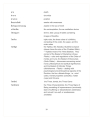
Understanding Buddhism: Key Concepts and Texts
…upa) and Nirvana.
ไตรรัตน
ไตรลักษณ์
the Three Jewels; the Three Gems
the Three Characteristics; the Three Signs of Being consisting of impermanence (aniccata), state of suffering or dissatisfaction (dukkhata), a…
This text delves into crucial Buddhist principles including the Tipitaka, which is a comprehensive scripture forming the foundation of Buddhist teachings. It encompasses three baskets: Vinaya Pitaka,
136
Understanding the Inner Bodies on the Path to Enlightenment
…odies between the Paṭhama Magga Sphere and the Body of Enlightenment which are still subject to the Three Signs comprise: the Subtle Human Body, the Angelic Body, the Subtle Angelic Body, the Brahma Body, the su…
…undane forms, the Body of Enlightenment is constituted of 'Pure Aggregates' which are free from the Three Signs of existence (impermanence, suffering, and non-self). The text outlines different Bodies of Enlight…
145
Understanding the Eightfold Path: Right Mindfulness and Right Concentration
…efinitively be able to appreciate that the aggregate of corporeality [rūpakhanda] is subject to the Three Signs (impermanence, suffering and not-self), the aggregate of feeling [vedanākhanda] is subject to suffe…
… Right Concentration. It emphasizes understanding the aggregates of existence as they relate to the Three Signs: impermanence, suffering, and not-self. Right Intention is presented as a guiding force that shapes…
12
The Noble Eightfold Path: Key Concepts and Insights
…filements in the Mind Level by Level 135 • Insight into various sorts of higher knowledge 137 • The Three Signs are Known by "nāna" 138 • Conclusion of the Noble Truth of the Path to the Cessation of Suffering 1…
The Noble Eightfold Path is a fundamental Teaching of Buddhism aimed at overcoming suffering. It consists of eight essential practices: Right View, Right Intention, Right Speech, Right Action, Right L

22
The Virtue of Giving
22
The Virtue of Abongiving
5. Chalaṅgādāna Sutta
Here, bhikkhus, there are three factors to the giver and three factors to the acceptor.
Bhikkhus, what are the three factors of the giver? Even bef
In the Chalaṅgādāna Sutta, it is discussed that there are three essential factors for both the giver and the acceptor of a gift. For the giver, a pleasant mind before, during, and after giving is cruc
29
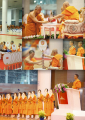
Buddhist Monk Ceremony
The image contains various scenes from a Buddhist monk ceremony or event. The readable texts in the images include:
- "5" (number on the wall in the background of the bottom left part)
- "1" (on a si
This collection showcases various scenes from a Buddhist monk ceremony, highlighting the tranquility and deep spirituality of the event. The number '5' appears on different signs, indicating significa
112
Understanding the Dhamma Body and Overcoming Mental Defilements
to enslave the mind and how we can overcome them. This is a major difference from the naked (physical) eye to which the defilements are invisible. The limits of our human senses are to know the manife
The passage discusses the limitations of human senses in perceiving mental defilements such as greed, hatred, and delusion. It highlights the importance of the Dhamma Body in providing insight into th
135
Understanding the Pathama Magga Sphere
… and consid-
ering the inner bodies the whole of the time. If those bodies
are still subject to the Three Signs (impermanence, suffering
and not-self), He taught us to let go of our attachment to
…tlined through the path of realizing and moving through the layers of inner bodies, confronting the Three Signs of existence, and releasing attachments.
34
Understanding the Three Characteristics of Existence
When we receive fortune, prestige, recognition or happiness,
our minds will remain calm, not overwhelmed or attached.
A person who is aware of suffering and happiness has
trained the mind to be as sta
This text elaborates on the Three Characteristics: impermanence, suffering, and non-self, as fundamental truths of existence in Buddhism. It highlights how fortune, prestige, and happiness are tempora
34
Understanding the Three Characteristics of Existence
When we receive fortune, prestige, recognition or happiness,
our minds will remain calm, not overwhelmed or attached.
A person who is aware of suffering and happiness has
trained the mind to be as s
This text discusses the importance of understanding the Three Characteristics of existence: Impermanence, Suffering, and Non-self. It emphasizes that fortune, prestige, and happiness are temporary and

15
Ceremonial Gathering of Monks and Laypeople
The image contains three sections with people dressed in white and orange robes, likely monks and laypeople participating in a religious or ceremonial event. There are some signs visible, but the text
This image captures a significant religious ceremony attended by monks and laypeople, all dressed in traditional white and orange robes. The participants appear engaged in a spiritual event, emphasizi
147
Meditation Technique: The Seven Bases of the Mind
Suzanne Jeffrey
Step-By-Step introductions for the meditation technique:
The Seven Bases of the Mind.
1. The sitting posture, which has been found to be the most conducive for meditation, is the hal
This guide introduces the Seven Bases of the Mind meditation technique, emphasizing the importance of proper posture, relaxation, and focus. Begin by adopting a comfortable half-lotus position or sitt
28
Exploration of Afterlife Beliefs
26
This Life Next Life
They have promised to do so, but they have neither come and told me, nor sent a messenger. This, Master Kassapa, is evidence to me that not one of those things exists.'
11. '
เนื้อหานี้สำรวจความเชื่อเกี่ยวกับหลังชีวิตและการมีอยู่ของพระเจ้า โดยเฉพาะพระเจ้าทั้งสามสิบท่าน การสนทนาระหว่างเจ้าชายและมาสเตอร์ Kassapa แสดงให้เห็นถึงแนวคิดที่ว่ายามที่มนุษย์คิดว่าเวลาได้ผ่านไปนาน บา
87
The Cycle of Existence and Three Spheres
suffering completely, with no more attachment for the Three Spheres¹. Put another way, their practice entails extinguishing the three sorts of craving which keep them prisoner in the thirty-one realms
This text discusses the concept of craving as the root cause of rebirth in the Cycle of Existence, using a story from the Dhammapadathakā to illustrate the journey of a female piglet that was reborn m
190
Bahiya and Konḍañña: Paths to Enlightenment
With those words alone, Bahiya was able to become an arahat. However, there are those, both in Thailand and abroad who look at examples such as that of Bahiya and come to the conclusion that you don't
This text delves into the spiritual journeys of Bahiya and Konḍañña, highlighting how Bahiya attained arahatship with minimal guidance, raising questions about the necessity of meditation for enlighte
83
What Should Parents Do When Their Children Do Not Get Along?
Chapter 16
What Should Parents Do
When Their Children Do Not Get Along?
Here is a true story for parents who have not yet begun
creating harmony in their families.
There was once a family with three d
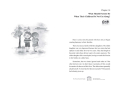
This chapter discusses the challenges faced by families when siblings do not get along. The story of three daughters highlights the emotional pain experienced by the oldest sibling as her sisters rema
77
Addressing Family Issues for Child Development
Part Three: Problems Within the Family
towards their happiness, spoiling our children neglects their
important emotional and spiritual growth. Spoiled children
usually end up more unhappy in the long-
Part three discusses the critical issues faced within families when children are spoiled, leading to unhappiness and self-destructive behaviors. It emphasizes the role of parents as teachers in guidin
34
Understanding Dhammakāya in Early Buddhist Thought
II. The Different Approach
A fairly established academic understanding has settled regarding the term dhammakāya in the Pali canon, that it was used merely in the sense of the ‘Buddha’s teachings.’ In
The term 'dhammakāya' in the Pali canon is understood as representing the Buddha's teachings. It is established through several canonical passages that equate the Buddha with dhamma. Notable reference